¶ 1. Overview
An Aglet is a finishing component made of plastic or metal that encases the ends of various cords or ropes, such as shoelaces, hoodie drawstrings, and waist drawstrings. It physically prevents the ends of the cord from fraying and acts as a guide to allow smooth insertion of the cord through the eyelets of garments or footwear. In industrial sewing and trim processes, this is defined as the 'Tipping' process, and in modern mass production systems, it is precisely processed using high-speed Automatic Tipping Machines.
Beyond being a simple finishing material, the aglet is classified as a key trim that symbolizes a brand's technical capability and aesthetic quality. In the past, ends were hardened with wax or fixed by manually hammering metal plates, but today, automated processes that process at speeds of 40 to 60 pieces per minute are predominant. Compared to alternative methods such as 'Heat Shrink Tubes' or simple 'Heat Cutting,' aglets offer overwhelming durability and tensile strength. Particularly in the high-end bag and premium outdoor markets, the weight, surface texture, and clarity of logo engraving on the aglet are major inspection items that determine the product's quality grade.
¶ 2. Definition and Mechanism
Physically, an aglet utilizes a mechanism where thermoplastic resin (primarily Acetate Cellulose) is dissolved with a solvent (Acetone) and compressed onto the cord, or a metal plate is mechanically fixed through clamping.
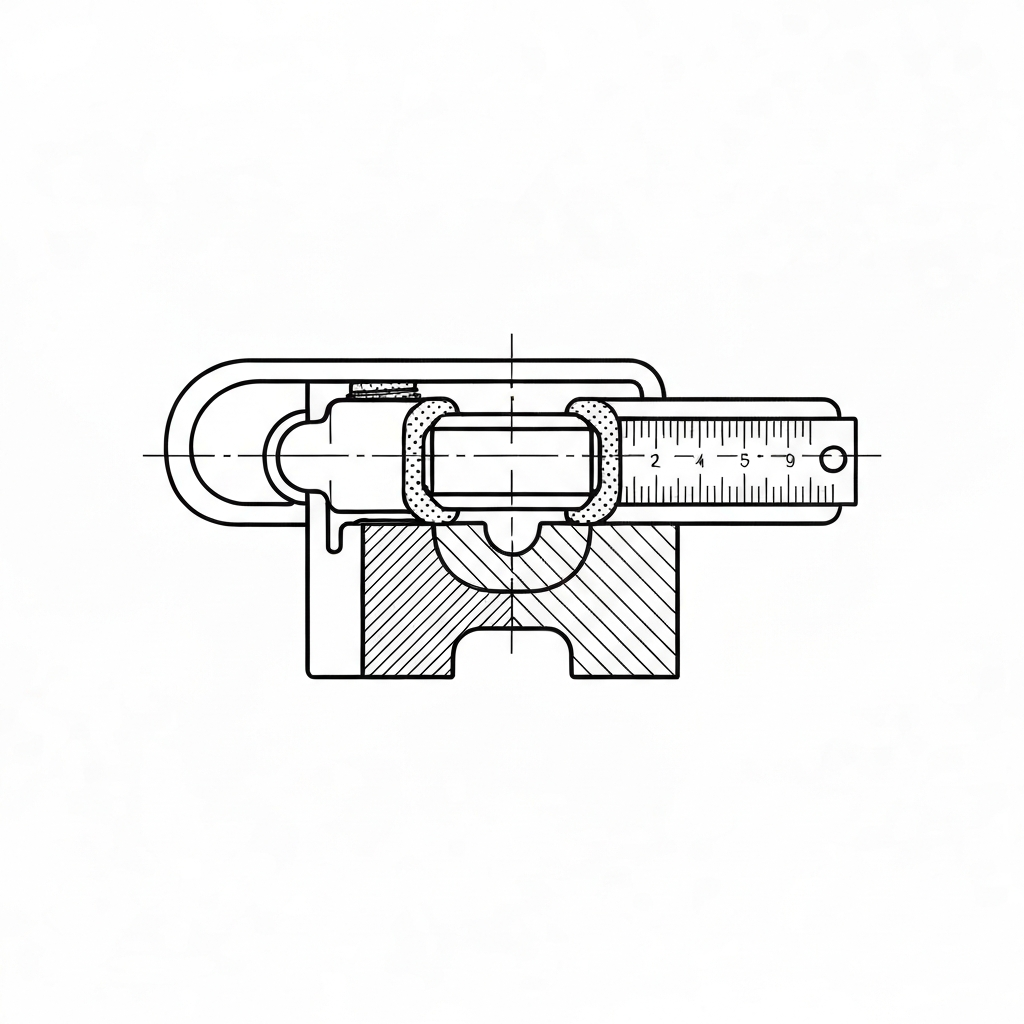
The core mechanisms of an aglet are 'Confinement' and 'Penetration.' The end of a cord consists of numerous fine filaments, making it vulnerable to external friction. The aglet compresses this fiber bundle under high pressure to maximize density and forms an external protective layer to block physical damage. Specifically, in the chemical fusion method, the acetate component liquefied by the solvent penetrates deep into the interstices between the fibers inside the cord. After drying, it forms a composite material structure where the fibers and the aglet are chemically bonded. This serves to reinforce the rigidity of the cord itself beyond just acting as a cover.
In the case of metal aglets, mechanical interlocking through plastic deformation is the primary principle. Fine teeth designed on the inside of the metal plate penetrate the sheath of the cord during compression to reach the core, thereby securing strong frictional force. This mechanism is a core technology that ensures the aglet does not detach in industrial safety ropes or hiking boot laces subjected to high loads. Additionally, technology using ultrasonic energy to melt the cord itself into an aglet shape without separate trims is being introduced recently.
¶ 2.1. Chemical Fusion Principle (Acetate Tipping)
When an acetone solvent is sprayed onto an acetate cellulose film, the polymer chains of the film temporarily swell and gain fluidity. At this time, as the die of the tipping machine is heated to a high temperature (approximately 150°C to 180°C) and strongly compresses the cord, the melted acetate component penetrates the gaps between the cord's fibers. As the acetone volatilizes, the film solidifies again, and the cord and aglet become a single, inseparable structure. In this process, the thickness of the film (0.25mm to 0.45mm) and the concentration of acetone are directly related to the transparency and strength of the final aglet.
¶ 2.2. Mechanical Plastic Deformation (Metal Crimping)
Metal aglets mainly use Brass or Zinc Alloy. Utilizing the ductility of the metal, it is wrapped around the cord, and then the mold applies strong pressure to cause plastic deformation exceeding the yield strength of the metal. At this time, the protrusions on the inside of the metal dig into the cord fibers to maximize friction, which is essential for hiking boots or industrial rope finishes where high loads are applied. Metal aglets secure corrosion resistance through plating processes (Nickel-free, Anti-brass, etc.), and passing a Salt Spray Test for 24 to 48 hours is a general quality standard.
¶ 2.3. Ultrasonic Tipping
This method is preferred in recent eco-friendly processes, where ultrasonic vibration energy of 20kHz to 35kHz is applied to instantaneously melt and mold the synthetic fibers (Polyester, Nylon) of the cord itself. It has the advantage of requiring no separate films or solvents, resulting in less chemical pollution and easier recycling. However, it cannot be applied to 100% natural fiber (Cotton) cords; a synthetic fiber content of at least 30% is required for stable fusion.
¶ 3. Technical Specifications
| Item | Detailed Specification | Remarks |
|---|---|---|
| Component Classification | Trims & Accessories | Common for apparel, footwear, and bags |
| Main Materials | Acetate Cellulose (over 90%), PVC, Brass, Zinc Alloy, TPU | Selection based on use and environmental regulations |
| Applicable Machinery | Automatic Aglet Tipping Machine | Includes high-speed automation and precision cutting |
| Major Manufacturer Models | K-SUNG KS-T700, JINGYI JY-202, S-SUNG SS-100 | High market share for Korean and Chinese equipment |
| Processing Temperature | 150°C ~ 210°C (for plastic tipping) | Adjusted by film thickness, cord material, and humidity |
| Standard Length | 10mm, 15mm, 20mm, 25mm (Customizable) | Compliance with brand guidelines and eyelet size |
| Bonding Method | Solvent-based (Acetone) / Heat-sealing / Mechanical Crimping | Physical/chemical bonding varies by material |
| Tensile Strength | Min 70N ~ 120N (Adult standard) | Children's wear recommended min 90N safety standard |
| Environmental Regulations | REACH, RoHS, OEKO-TEX Standard 100 | Prohibited detection of harmful substances (Phthalates, Lead, Azo dyes) |
| Film Thickness | 0.25mm ~ 0.45mm | Selected proportional to cord diameter and required strength |
| Metal Plating | Nickel-free, Anti-brass, Black Nickel, Gold | Compliance with anti-allergy and corrosion resistance (Salt Spray) |
| Production Speed | 40 ~ 60 pcs/min | Optimization required by equipment model and cord material |
| Pneumatic Requirement | 5 ~ 7 kgf/cm² | Operating pressure for auto-feed and cutting cylinders |
| Towa Tension | 15gf ~ 25gf (During cord transport) | Maintain proper tension to prevent cord deformation |
¶ 4. Application Fields and Specifics by Garment Type
Aglets require different physical properties depending on the characteristics of the garment and the environment of use.
¶ 4.1. Apparel
- Hoodie: Used for finishing the ends of drawstrings at the hood opening. To prevent the string from being pulled into the hood during washing, aglets with a diameter larger than the eyelet are used, or they are used in conjunction with knots. Especially for sports brands, soft silicone-coated aglets or lightweight acetate aglets are preferred to prevent the aglet from hitting the face and causing bruising during intense movement.
- Jogger Pants: Applied to drawstrings inside the waistband. Since it may come into direct contact with the skin, soft plastic or TPU materials are preferred over metal, and low-cost metal aglets prone to corrosion from sweat should be avoided.
- Windbreakers and Outdoor: Used for finishing elastic cords at the hem and sleeves. Cold crack resistance is essential so they do not break in sub-zero temperatures, and aglets with embossed surfaces are mainly used for easy operation even while wearing gloves.
¶ 4.2. Footwear
- Athletic Shoes and Sneakers: The most common application field, requiring high pull-off strength of over 90N due to frequent friction and tensile force generated during tying and untying laces. In automated shoe manufacturing lines, the diameter deviation of the aglet must be within 0.1mm to prevent jamming in Automatic Lacing Machines.
- Trekking Boots: To prevent aglet damage when passing through rough rocky terrain or brush, thick brass aglets or double injection aglets with high impact resistance are used. Furthermore, since they are exposed to mud and water, strong anti-rust treatment is essential.
¶ 4.3. Bags & Accessories
- Zipper Puller: Used as a finishing material for cord ends connected to the main zipper slider. To improve the user's grip, long aglets of 20mm or more or metal aglets with anti-slip treatment are applied. In the case of bags, aglets often become a design point, so brand logos are laser-engraved or flashy plating is applied.
- Shopping Bags and Premium Packaging: The ends of paper shopping bag handles for luxury brands are finished with metal aglets to secure both durability and aesthetics. In this case, special 'T-Cut' shaped aglets are sometimes used to fix the string inside the shopping bag so it does not pull out.
¶ 5. Major Defects and Troubleshooting
Most defects occurring in the field stem from equipment settings and material compatibility issues.
- Peeling
- Symptom: The film on the aglet surface lifts or easily peels off from the cord.
- Cause: Insufficient acetone solvent supply, poor adhesive components in the film, or excessive oiliness (silicone treatment, etc.) on the cord.
- Field Action: Immediately check the solvent tank level and nozzle clogging. Pre-treatment of the tipping area is essential for cords with Durable Water Repellent (DWR) finishes. If pre-treatment is impossible, increase the heater temperature by 5°C and the dwell time by 0.2 seconds to enhance penetration.
- Cracking
- Symptom: The compressed area of the metal aglet cracks or bursts.
- Cause: Excessive pressure from the die during metal aglet compression or the material hardness is too high (insufficient annealing).
- Field Action: Adjust the compression pressure downward and check if the R-value (curvature) of the mold is worn. For brass materials, verify with the supplier that the hardness is below HV 100.
- Discoloration
- Symptom: The aglet surface turns yellow or burn marks appear.
- Cause: The heating temperature during tipping is too high or the heating time is too long, causing the material to carbonize.
- Field Action: Find the optimal point by lowering the heater temperature setting in increments of 5 to 10°C. White color cords are particularly sensitive to heat, so the use of low-temperature films is recommended.
- Loose Fit
- Symptom: The aglet pulls straight off the cord.
- Cause: The specification of the aglet mold is larger than the cord diameter, or the cord density is low, so compression force is not transmitted.
- Field Action: Replace with a dedicated mold matching the cord thickness. If the denier of the cord has changed, the mold clearance must be reset.
- Sharp Edges
- Symptom: The ends of the aglet are sharp and can injure the user.
- Cause: Wear of the cutting knife or mismatch in the clearance between the upper and lower blades.
- Field Action: Sharpen or replace the cutting knife. The blade clearance must be precisely set within 0.02mm to obtain a clean cross-section.
- Blushing
- Symptom: The surface of a transparent aglet turns cloudy white.
- Cause: In high-humidity environments, acetone volatilizes rapidly and absorbs surrounding moisture, causing the surface to turn white.
- Field Action: Maintain workshop humidity below 50%. Operating a dehumidifier is essential during the rainy season, and using a slow-drying solvent will mitigate this.
¶ 6. Quality Control Standards
Since aglet quality is directly linked to the safety of the finished product, strict international standards must be followed.
- Pull-off Test: Using a tensile tester, the aglet is fixed and the string is pulled; it must not detach under loads exceeding buyer regulations (e.g., 70N to 90N for adults, 90N or more for children). (Referencing ASTM D2256 and ASTM D2061)
- Visual Inspection: Compare surface scratches, bubbles, center alignment of logo printing, and color shade variations against standard samples. Inspection should be conducted under a D65 standard light source.
- Washing Test: There should be no deformation, detachment, or rusting (in the case of metal) of the aglet even after repeated washing (5 to 10 times) according to ISO 6330 standards. This means the aglet must have a lifespan consistent with the garment.
- Salt Spray Test: For metal aglets, to prevent corrosion, check for the occurrence of rust after 24 to 48 hours of salt spray exposure according to ISO 9227. Shipments to coastal regions may require a 72-hour test.
- Safety Test: For children's wear, verify that parts do not separate and cause a choking hazard when pulled with a force of 2.25kgf or more, according to 15 CFR 1501 (Small Parts) regulations.
- Perspiration Fastness Test: According to ISO 105-E04, check for discoloration or migration from the aglet to the cord after exposure to artificial perspiration. This is an essential item when using dark-colored aglet films.
¶ 7. Factory Slang and Regional Terminology
In factory fields across different countries, various practical terms are used in addition to the formal name 'aglet.'
| Language | Term | Romanization | Remarks |
|---|---|---|---|
| 한국어 (KR) | 에글릿 / 팁 / 끈 끝 마감 | Aglet / Tip | 현장에서 '팁'이라는 용어가 가장 보편적 |
| 일본어 (JP) | アグレット / 先金 | Aguretto / Sakigane | 금속 에글릿의 경우 '사키가네'라고 지칭 |
| 베트남어 (VN) | Đầu bịt dây / Chốt đầu dây | Dau bit day | 베트남 현지 공장에서는 'Dau bit'으로 통칭 |
| 중국어 (CN) | 绳头 / 包头 | Shéngtóu / Bāotóu | 광동성 지역 공장에서는 '바오토우' 선호 |
| 영어 (EN) | Aglet / Tipping | Aglet / Tipping | 국제 표준 기술 용어 |
Regional Practical Differences: * Korean Factories: Emphasize precision and prefer domestic high-performance equipment such as K-SUNG; they are very strict about aglet transparency and logo alignment. * Vietnamese Factories: Mainly operated for mass production; due to the hot and humid climate, know-how is concentrated on acetone management and prevention of blushing. * Chinese Factories: Based on cost competitiveness, experiments with various new materials (recycled plastics, etc.) are active, and automated line speeds are very fast (over 60 pieces per minute).
¶ 8. Equipment Setup and Maintenance Guide
- Temperature Control: When using acetate film, set the heater temperature between 160°C and 180°C, but fine-tune by ±5°C depending on the workshop's humidity and temperature. Use a contact thermometer to check the actual temperature of the heater block daily.
- Solvent (Acetone) Management: If the solvent volatilizes too much, adhesion drops sharply, so use a sealed supply device and check the concentration and remaining amount every 4 hours. Low acetone concentration causes bubbles inside the aglet.
- Alignment: If the centers of the upper and lower molds do not match exactly, a step will occur on the side of the aglet, causing defects. Use a precision gauge in 0.01mm units to check level and center.
- Tension Control: The tension of the cord in the automatic feeder must be constant to maintain a uniform cutting length of the aglet. Maintain the pressure of the dancer roller at 15 to 25gf based on a Towa tension meter.
- Daily Checklist:
- Remove foreign substances from the cutting knife and check for wear (replace if wear exceeds 0.05mm).
- Check if the spray pattern of the acetone nozzle is directed at the exact center of the cord.
- Confirm that the pneumatic cylinder pressure is maintained consistently at 6kgf/cm².
¶ 9. Process Flowchart
¶ 10. Technical In-depth: Evolution and Eco-friendly Trends
Following the strengthening of ESG management in the global fashion industry, significant changes are occurring in the aglet manufacturing process.
- Bio-based Acetate: The use of bio-acetate film extracted from wood pulp instead of petroleum-based acetate is increasing. This is a key element of GRS (Global Recycled Standard) certification and has the advantage of being able to use existing acetone processes.
- Acetone-free Process: Acetone is classified as a Volatile Organic Compound (VOC), which is harmful to worker health and the environment. To replace this, 'thermal compression methods' using Thermoplastic Polyurethane (TPU) hot-melt films or ultrasonic fusion methods are spreading.
- Recycled Metal: In the case of metal aglets, recycled brass is used, and eco-friendly plating methods that remove cyanide from the plating process are becoming the standard.
- Digital Printing & Laser Marking: Digital printing is applied to the film itself, or high-precision laser markers are used to engrave logos on the surface of molded aglets to respond to small-batch, diverse production.
¶ 11. Related Items
- Eyelet: A metal or plastic ring trim that reinforces the hole through which the aglet passes. (Field term: Hadome)
- Cord Lock: A plastic component that adjusts and fixes the length of the string. (Field term: Stopper)
- Drawstring: The main body to which the aglet is attached, such as a tightening cord or shoelace.
- Heat Shrink Tube: A tubular trim made to function as an aglet by applying heat without a separate machine.
- ISO 13935: Standard for measuring the seam tensile strength of fabrics and finished products.
- ISO 4915: Stitch classification standard. Referenced during the 'Bartack' process (mainly utilizing stitch type 304 or 308 zigzag stitches) to fix the cord with the aglet to the garment body.
¶ 12. Technician's Final Checklist
- [ ] Have the expiration date (curing status) and storage humidity of the film been checked?
- [ ] Is the acetone supply line free of air bubbles and is the nozzle directed at the exact center?
- [ ] Is the wear of the cutting knife below 0.05mm and is the upper/lower contact good?
- [ ] When compressing metal aglets, is the center of the cord accurately held to prevent eccentricity?
- [ ] For children's wear, are the ends of the aglet rounded to meet safety standards?
- [ ] After the washing test, is there no blushing or plating peeling on the metal aglets?
- [ ] Have the solvent concentration or heating temperature been reset according to the cord's water-repellent finish?
- [ ] Is the cord supply tension maintained consistently at around 20gf using a Towa tension meter?
- [ ] Is the aglet length of the final product within ±0.5mm of the guidelines?