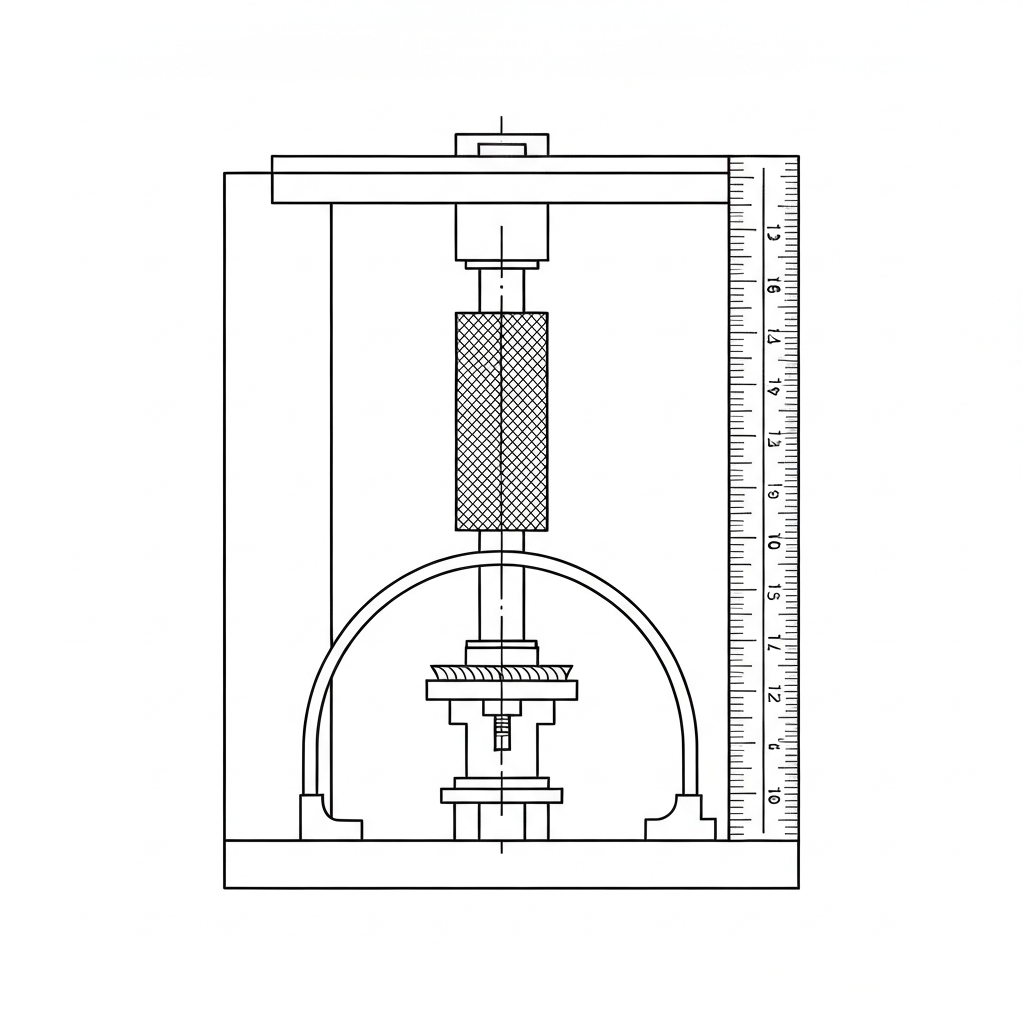

¶ 1. Definition and Core Mechanism
Pilling Resistance refers to the property of a fabric to resist the phenomenon where fibers on the fabric surface entangle due to external friction and abrasion, forming small ball-shaped pills. This is a key indicator determining the aesthetics and durability of a garment, and it is a major cause of quality failures, particularly in blends of synthetic fibers (Polyester, Acrylic) and natural fibers.
The physical mechanism follows a 4-step process: 'Fuzzing → Entanglement → Growth → Wear-off'. Natural fibers with low strength (100% Cotton, Wool) show less visual damage because pills that form are easily shed during friction. However, synthetic fibers with high strength act as 'Anchor Fibers,' causing pills to remain firmly attached to the fabric surface. This drastically shortens the Product Life Cycle and becomes a direct cause of consumer claims. Therefore, multi-faceted control is essential in the manufacturing process, ranging from Yarn Twist adjustment at the spinning stage to Singeing and resin treatment at the final finishing stage.
¶ 2. Technical Specifications and Test Standards
| Item | Detailed Specifications |
|---|---|
| Major Test Standards | ISO 12945-1 (Pilling Box), ISO 12945-2 (Martindale), ASTM D3512 (Random Tumble) |
| Grading Scale | Grade 1 (Very Severe) ~ Grade 5 (No Change) |
| Test Equipment | ICI Pilling Tester, Martindale Abrasion Tester, Random Tumble Pilling Tester |
| Major Manufacturers | James Heal, SDL Atlas, Mesdan, Roaches |
| Related Yarn Properties | Yarn Twist, Fiber Length, Fiber Denier |
| Finishing Techniques | Singeing, Bio-polishing (Enzyme treatment), Anti-pilling Resin Finish |
| Applicable Fabrics | Knits (Single Jersey, Interlock), Fleece, T/C and T/R blended woven fabrics |
| Buyer Recommended Standards | General Casual: Grade 3 or higher, Sportswear/Premium: Grade 4 or higher |
- ISO 12945-2 (Martindale) Details: For apparel fabrics, a load of 9kPa (approx. 595g) is typically applied, and assessment is made after 2,000, 5,000, and 7,000 rubs. The trajectory between the specimen and the standard abraidant fabric follows a Lissajous pattern to implement multi-directional friction. This is optimized for measuring the Pilling Resistance of suit fabrics or coat materials.
- ISO 12945-1 (Pilling Box) Details: Polyurethane tubes wrapped with specimens are placed inside a 235mm cubic rotating box lined with cork and rotated at a speed of 60 rpm. For knitwear, 7,000 revolutions (approx. 2 hours) or 10,800 revolutions (3 hours) are standard. The rotation speed of 60 rpm is an international standard, and the impact generated during the test is similar to actual wear environments. (Note: This is the rotation speed of the test equipment and is unrelated to the sewing speed, SPM.)
- ASTM D3512 (Random Tumble): An impeller rotates within a cylindrical chamber, randomly striking and rubbing the specimens. A small amount of Cotton Linter may be added to reproduce the phenomenon of entanglement with dust during actual wear.
¶ 3. Applications

- Apparel:
- Tops: Sweaters, hoodies, sportswear (100% Polyester). Degradation of Pilling Resistance is prominent in areas with frequent body friction, such as the Armpit, Inner Sleeve, and Side Seam of shirts.
- Bottoms: Slacks (T/R blends), leggings, training pants. Pilling in the Crotch area is a precursor to reduced comfort and abrasion failure.
- Coats: For Wool blend coats, managing Pilling Resistance on the shoulders (where bag straps touch) and the back panel is a core quality factor.
- Bags and Accessories:
- Backpacks: Air Mesh used on back panels and shoulder strap linings. It is important to prevent 'Reverse Pilling,' where the rough surface of the mesh causes pilling on the wearer's clothing (especially knits).
- Lining: Polyester Taffeta and Twill structures that experience frequent friction with items inside the bag.
- Industrial Textiles: Automotive seat covers (headrest contact areas), sofa fabrics, bedding (foot area of duvet covers), and other product groups subject to long-term repeated friction.
- Sewing Trims: Knit Rib, Webbing Tape. Bag webbing with high roughness can accelerate the pilling of contacting garments, so soft Nylon webbing is often preferred.
Differences in SPI and Thread Type by Industry: - Sportswear: High elasticity is required, so 60s/3 or 50s/2 Coarespun Thread is used, maintaining 10–12 SPI to minimize friction at the sewn parts. - Premium Suits: To improve Pilling Resistance, silk thread or high-twist polyester thread is used, with dense sewing at 14–16 SPI to suppress the protrusion of fiber ends.
¶ 4. Major Defects and Solutions
- Pilling due to Low Twist
- Cause: Insufficient Yarn Twist weakens the cohesive force between fibers, allowing fiber ends to easily pull out during friction.
- Solution: Use High Twist Yarn with increased TPM (Twists Per Meter) or use Combed Yarn to remove short fibers in advance.
- Defective Singeing Process
- Cause: Fuzz on the fabric surface is not properly removed after weaving/knitting, acting as a nucleus for pilling.
- Solution: Optimize the flame temperature (approx. 1,100–1,300°C) and fabric passage speed (80–120m/min) of the Gas Singeing Machine to uniformly burn off surface fuzz.
- Excessive Use of Softener
- Cause: Silicone-based softeners make the fiber surface too smooth, causing fibers to easily slide out of the yarn.
- Solution: Adjust the softener dosage and use an Anti-pilling Agent (resin) in combination to fix the fibers.
- Fiber Damage by Needle Heat during Sewing
- Cause: During high-speed sewing, frictional heat with the needle (up to 250–300°C) causes synthetic fibers to melt or weaken slightly, leading to concentrated pilling in those areas.
- Solution: Use a Needle Cooler or Organ KN or SF type (ceramic coated) needles. For high-speed lockstitch machines (e.g., Juki DDL-9000C), set the production speed to 3,500–4,000 SPM, but for heat-sensitive fabrics, reduce it below 3,000 SPM to prevent fiber damage. (The mechanical limit of industrial sewing machines is 5,000–8,000 SPM, but reduction is essential for quality control.)
- Low Fabric Density
- Cause: Loose fabric structure allows free movement of fibers and makes them vulnerable to friction.
- Solution: Increase the Gauge or adjust tension during knitting to design a Tight Construction.
¶ 5. Quality Inspection and Grading Criteria
- Visual Assessment: Grading is performed in 0.5 increments by comparing specimens with Standard Photographs or EMPA/SM50 data inside a Viewing Cabinet equipped with a standard light source (D65). Follow the visual evaluation guides according to the latest ISO 12945-4 (2020) regulations.
- Test Cycles:
- Martindale Method: Measured at 2,000, 5,000, or 7,000 cycles depending on buyer specifications.
- Pilling Box Method: Typically measured after 7,000 to 10,800 revolutions (approx. 2–3 hours).
- Weight Loss Ratio: Durability is evaluated by measuring the weight change of the fabric after removing pills (usually performed alongside abrasion tests).
- AQL Standards: As this is a Performance Test item, one test per batch is the principle. If the result is below Grade 3, it is treated as a Fail and reprocessing is instructed.
¶ 6. Factory Slang and Terminology
| Language | Term | Romanization | Remarks |
|---|---|---|---|
| 한국어 (KR) | 보풀 | Bopul | Common field term |
| 한국어 (KR) | 다마 | Dama | Derived from Japanese 'Tama (玉)', meaning pill clumps |
| 한국어 (KR) | 핀다 | Pinda | Field abbreviation for "pilling is occurring" |
| 일본어 (JP) | 毛玉 | Kedama | Standard term for pill (hair ball) |
| 일본어 (JP) | ピリング | Piringu | Japanese pronunciation of Pilling |
| 베트남어 (VN) | Vón cục | Von cuc | Phenomenon of pills clumping |
| 베트남어 (VN) | Đổ lông | Do long | Phenomenon of fuzz rising on fabric surface |
| 중국어 (CN) | 起球 | Qǐqiú | Phenomenon of pilling occurring (Qi-qiu) |
| 중국어 (CN) | 抗起球 | Kàng qǐqiú | Anti-pilling (Kang-qi-qiu) |
Practical Differences by Factory: - Korean Factories: Buyer requirements for Grade 4 are strict, so Bio-washing and anti-pilling resin finishing are often used together. Pilling Resistance test reports are strictly managed, especially for high-end brand orders. - Vietnam/China Factories: For cost reduction in mass production, High Twist yarn is preferred over resin finishing, and heat-setting temperatures in the Tenter process are precisely controlled. In Vietnamese fields, the speed of the singeing process is often slowed down to catch the 'Do long' phenomenon.
¶ 7. Process Guide and Settings
- Bio-polishing:
- Target: Cotton and regenerated fibers (Rayon, Tencel).
- Principle: Uses Cellulase enzymes to chemically dissolve fine surface fibers to improve Pilling Resistance.
- Conditions: Maintain pH 4.5–5.5 (acid enzyme) or pH 6.0–8.0 (neutral enzyme), temperature 50–60°C, and treatment time 30–60 minutes. Enzyme concentration is typically set at 0.5–2.0% o.w.f (on the weight of fabric).
- Heat Setting:
- Target: Synthetic fibers such as Polyester and Nylon.
- Principle: Stabilizes the fiber molecular structure by heat-setting at appropriate temperatures (180–190°C for PET) in a Tenter machine to suppress fuzzing. Tenter speed is usually set at 20–40m/min, and nozzle pressure is maintained at 1.5–2.5 bar.
- Anti-pilling Resin Finish:
- Principle: Attaches acrylic or urethane-based resins using the Padding method to fix fiber ends to the fabric.
- Caution: Concentration control is essential as the fabric Hand-feel may become stiff after processing. (Typically 1–3% o.w.f is used.)
¶ 8. Quality Determination Flowchart
¶ 9. Field Troubleshooting (On-site Know-how)
- Symptom: Pilling is concentrated along specific Seam Lines
- Diagnosis: Needle size is too large (e.g., #14 or higher), or the needle tip is worn, tearing fibers during sewing. Alternatively, bobbin tension is too strong, causing fabric "chewing."
- Action: Change the needle to #9 or #11 and reduce bobbin tension to 20–25g based on a Towa Tension Gauge. Lower the Feed Dog height to 0.8mm or less to prevent fabric damage.
- Symptom: Pilling grade drops sharply after Pressing/Ironing
- Diagnosis: Steam ironing temperature is too high (above 150°C), or excessive pressure from a heavy press destroys the anti-pilling resin layer on the fiber surface.
- Action: Lower ironing temperature to 120–130°C and recommend passing through a Steam Tunnel rather than direct heating. Limit pressing time to within 3–5 seconds.
- Symptom: Pilling increases rapidly after washing
- Diagnosis: Water-soluble anti-pilling agents used during fabric production are washed out.
- Action: Re-apply resin finish mixed with a wash-resistant Cross-linking Agent. A Curing process at 150–160°C for 2 minutes is essential after finishing.
¶ 10. Related Items
- Abrasion Resistance: The property of a fabric to resist wearing away or hole formation due to friction. It is closely correlated with Pilling Resistance.
- Snagging: The phenomenon where threads are pulled out after being caught on sharp objects. Tested according to ISO 12945-3, it is a major visual quality inspection item along with pilling.
- Singeing: A physical process of burning off surface fuzz with a gas flame to make the fabric smooth. The most effective pretreatment step for improving Pilling Resistance.
- Yarn Twist: The process of twisting yarn; higher twist levels suppress fiber migration and improve Pilling Resistance.
- ISO 4915: Standard for stitch classification. While not a direct pilling test, the difference in friction area depending on stitch types like Lockstitch (301) or Overlock (504) affects the frequency of pilling. Particularly in 504 Overlock, the exposed area of looper threads is wide, making the possibility of friction-induced pilling higher than in lockstitching.
- Towa Tension Gauge: A tool used to quantify and manage bobbin case tension; it minimizes physical damage to sewn areas and prevents degradation of Pilling Resistance by maintaining uniform sewing tension.
- Juki DDL-9000C: An industrial lockstitch machine capable of digital tension control, preventing 'fabric chewing' (a pilling trigger) through fine tension adjustment according to fabric thickness changes.